


Logos:
The C. S. Lewis Society Newsletter

Events:

July 21 and August 4: Bay Area Book and Film Club

    Perelandra, by C.S. Lewis
    Leader/moderator: Andrew Dósa

    The second volume of C.S. Lewis's Space Trilogy, Perelandra takes place on the astounding planet-paradise of Venus where Dr. Elwin Ransom is taken there by the powers he met on Malacandra (Mars), and on Perelandra the story of the Garden of Eden is retold. Ransom realizes that he is the only part of the story that has no equivalent in the original Biblical story: there was no one else in the Garden to argue against the snake when it tempted Eve (who has never heard of evil). And so, as the diabolically-inspired human physicist Weston tries to tempt the Green Lady (Eve on Venus) to sin, Ransom does his best to tell her better. The discussions in which the three characters engage are a rich philosophical and theological debate about the questions of faith, truth, and goodness. Ransom then enters into an extended battle with the Tempter and the entire, highly imaginative story strongly parallels the journeys of Dante in the Divine Comedy.

    To attend or inquire with questions, please phone 510-635-6892 or email to info@lewissociety.org

C.S. Lewis's The Voyage of the Dawn Treader: Official Trailer for the Forthcoming Film (HD)

Released on June 17th, Walden Media has just released the official trailer for the forthcoming, major film based on C.S. Lewis's, The Voyage of the Dawn Treader, the third book in The Chronicles of Narnia series. Scheduled for release on December 10, 2010, the film is directed by Michael Apted and stars Ben Barnes (Caspian X, King of Narnia), Skandar Keynes (Edmund Pevensie), Georgie Henley (Lucy Pevensie), and Will Poulter (Eustace Scrubb). The film follows on the previous two films, The Lion, the Witch and the Wardrobe (2005) and Prince Caspian (2008).

Here is additional background on the book, The Voyage of the Dawn Treader, and here is the official web site for the forthcoming film.

Video Interview with Max McLean and Douglas Gresham, step-son of C.S Lewis and Executive Producer of The Voyage of the Dawn Treader:

While in New York City on July 17, 2010, for performances of the stage production of The Screwtape Letters, Douglas Gresham was interviewed with Max McLean, who co-wrote and stars as Screwtape in the widely acclaimed stage play by the Fellowship for the Performing Arts. Mr. Gresham is a step-son of C.S Lewis (and son of Lewis's wife, Joy Davidman) and Executive Producer of The Voyage of the Dawn Treader, the forthcoming major movie.

Hosted by the Christian Post, their discussion ranges from the challenges of writing and acting from Satan's perspective in The Screwtape Letters, to an inside look at the upcoming release of The Voyage of the Dawn Treader, to Lewis's interaction with J.R.R. Tolkien and other members of The Inklings literary group, to the relevance and impact of Lewis's work today.

DVD: God, Nature and Modern Science:

The DVD is available based on our seminar featuring two top scholars. This very timely program examines the relationship between science and religion and offers thoughtful insights and discussion of such issues as origins, design, free will, evolution, materialism, transcendence, and much more. Moderated by David J. Theroux, the program features Paul D. Ashby (Staff Scientist, Molecular Foundry, Lawrence Berkeley National Laboratory) and Edward B. Davis (Professor of the History of Science, Messiah College). Copies may be ordered for $19.95 per copy postpaid.

About C. S. Lewis:

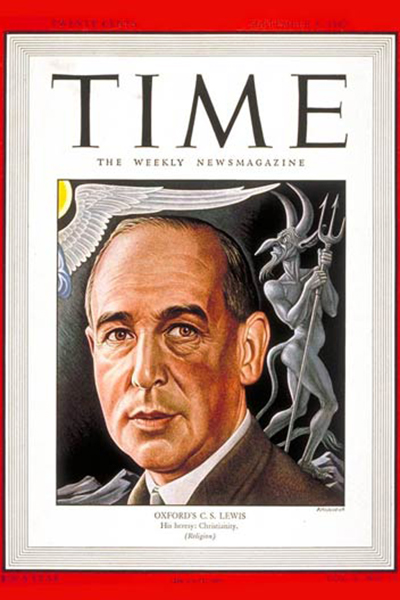
In its November 7, 2005 issue, Time magazine noted the following about the world-renowned Oxford/Cambridge scholar and best-selling author C.S. Lewis:

    “In 1947, a Time cover story hailed Lewis as ‘one of the most influential spokesmen for Christianity in the English-speaking world.’ Now, 58 years later (and 42 years after his death, in 1963), he could arguably be called the hottest theologian.”

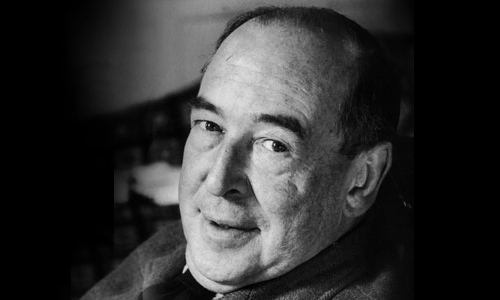
Indeed, C. S. Lewis’s books sell at an astounding rate worldwide, and in his extensive and immensely popular work, he very effectively champions objective truth, goodness, natural law, literary excellence, reason, science, individual liberty, personal responsibility, and Christian faith. In his professional writings, Lewis was a literary critic, novelist, poet, essayist, and man of letters. His work captures a grandeur, precision, wit, imagination and insight seldom matched by others, and in the process, he articulately critiques the materialism, reductionism, scientism, collectivism, nihilism, statism, and de-humanization of the modern era.

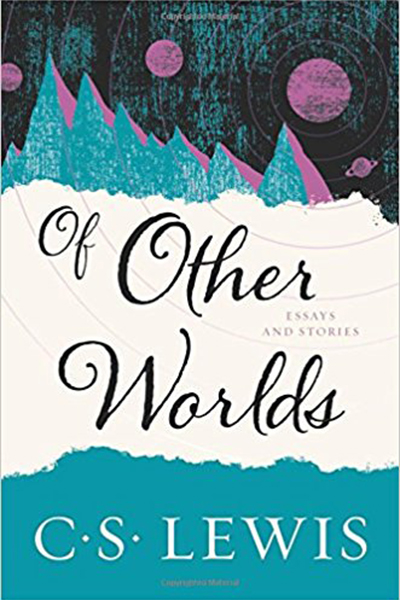
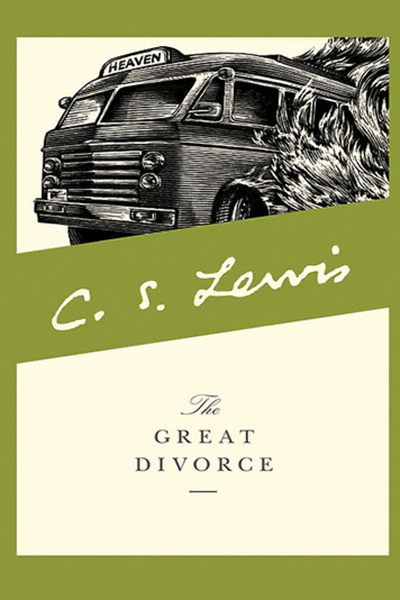
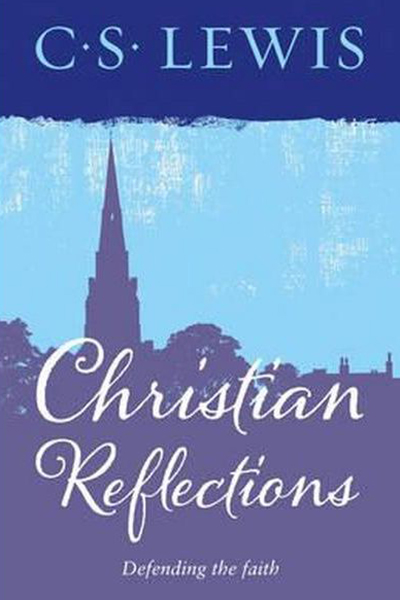
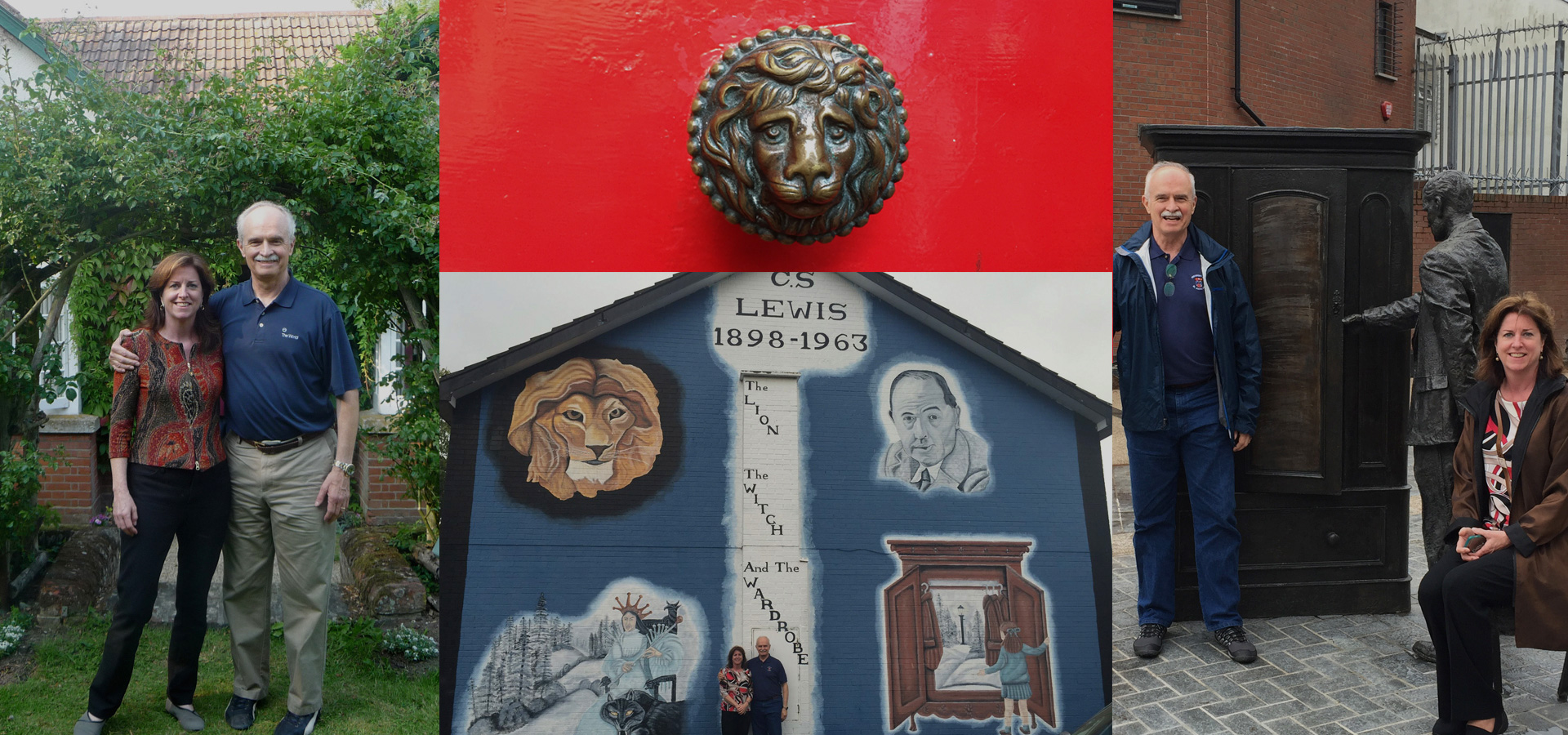
C. S. Lewis Graphics

For background information on the images to the left, please click here.

Books, Films, CDs and More:

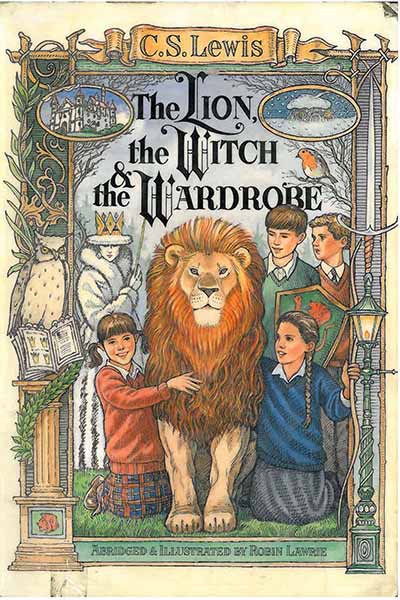
Of his many works, Lewis is probably best known for his book series, The Chronicles of Narnia, which have sold more than 100 million copies worldwide and are now the subject of a major new series of films. With the enormous success of the first of these new Narnia films, The Lion, the Witch and the Wardrobe, the next film, Prince Caspian, is scheduled for release in mid-2008, with Voyage of the "Dawn Treader" planned for a 2010 release and The Silver Chair scheduled for release in 2011. In addition, other novels by Lewis are being made into films, including The Screwtape Letters which is underway, and efforts are being pursued for a film based on The Great Divorce.

And with the significant increase in sales for Lewis’s books (many of which are also available on CD)—which were already selling 6 millions copies annually—many people are discovering Lewis for the first time while others are rediscovering the unique magic and relevance of his work.

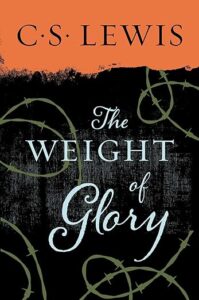
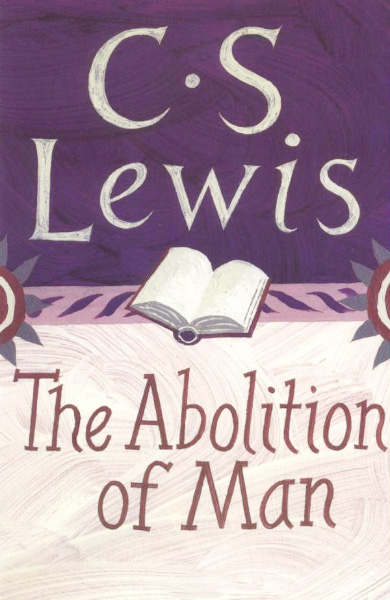
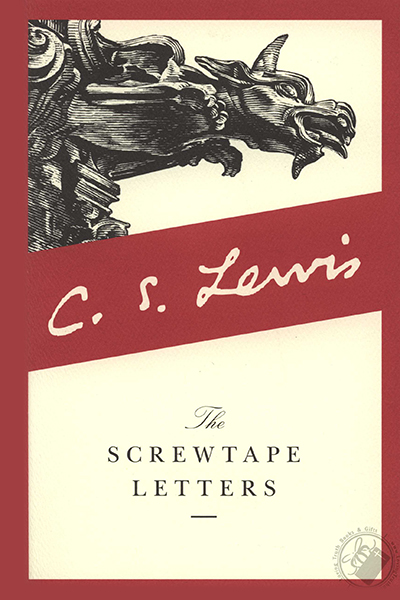
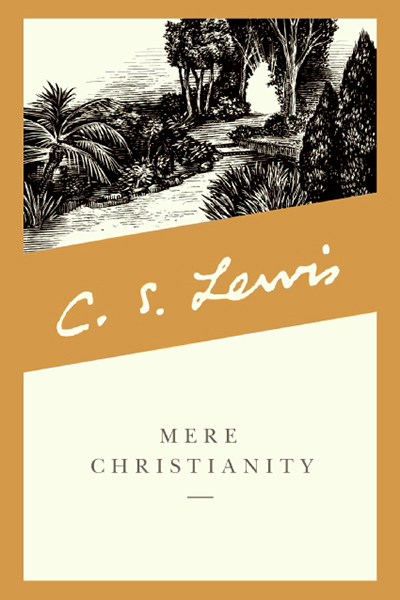
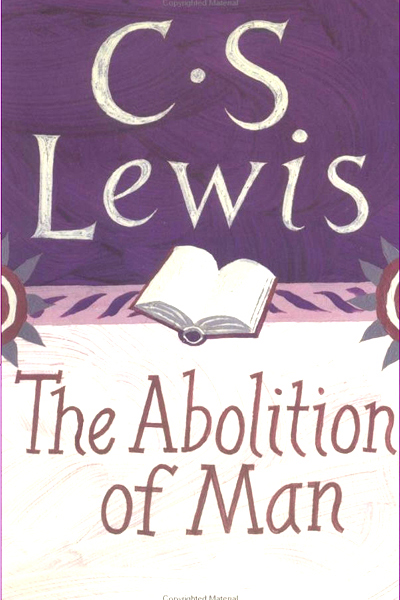
The scope of Lewis’s work is quite remarkable, including philosophy and theology—The Abolition of Man, Christian Reflections, Mere Christianity, The Four Loves, The Problem of Pain, Miracles; literary history and criticism—The Discarded Image, The Allegory of Love, English Literature in the Sixteenth Century; fiction—The Screwtape Letters, Perelandra, That Hideous Strength, The Great Divorce, Till We Have Faces; autobiography—Surprised by Joy, A Grief Observed; current affairs—God in the Dock, Present Concerns; poetry—Narrative Poems, Poems; and much more.

Your Invitation to Join the C. S. Lewis Society of California:

As a result, we welcome those who may be interested in C.S. Lewis to become a Member and participate in the program of the C. S. Lewis Society of California. The Society is an educational and cultural organization of people interested in events, articles, interviews, publications, and other developments that advance deeper understanding of the life, works, and ideas of C. S. Lewis and others who are addressing the enduring philosophical, cultural, historical, literary, theological, social, and economic issues of mankind.
    “For the last thirty years of his life no other Christian writer in this century had such an influence on the general reading public as C.S. Lewis.”The Times Literary Supplement (London)

    “Lewis gives us permission to admit our own doubts, our own angers and anguishes, and to know that they are part of the soul’s growth.”Madeleine L’Engle, author, A Wrinkle in Time and other books

    “I read Lewis for comfort and pleasure many years ago, and a glance into the books revives my old admiration.”John Updike, novelist and poet

    “Rarely is so much learning displayed with so much grace and charm.” “Lewis combines a novelist’s insights into motives with a profound religious understanding.”The New York Times Book Review

    “Lewis, perhaps more than any other twentieth-century writer, forced those who listened to him and read his works to come to terms with their own philosophical presuppositions.”—Los Angeles Times

    "C. S. Lewis was a genius."Thomas S. Szasz, Professor of Psychiatry Emeritus, State University of New York Upstate Health Science Center

    “Lewis’s words appear often in my Mitford stories—where would the Christian thinker be without Lewis? He is pivotal.”Jan Karon, author of The Mitford books

    “Lucid, urbane, modest, and humorous. . . Lewis writing on the aspect of fiction called Story has to be listened to, since he was himself a superb story-teller.”Anthony Burgess, author, playwright, and composer

    “If wit and wisdom, style and scholarship are requisites to passage through the pearly gates, Mr. Lewis will be among the angels.”The New Yorker

    “A powerful, discriminating and poetic mind, great learning, startling wit, and overwhelming imagination. ”Saturday Review

    “Somebody pointed me towards C.S. Lewis's little book called Mere Christianity, which took all of my arguments that I thought were so airtight about the fact that faith is just irrational, and proved them totally full of holes. And in fact, turned them around the other way, and convinced me that the choice to believe is actually the most rational conclusion when you look at the evidence around you. That was a shocking sort of revelation, and one that I fought bitterly for about a year and then finally decided to accept.”Francis S. Collins, M.D., Ph.D., Director, Human Genome Research Institute; author, The Language of God: A Scientist Presents Evidence for Belief

    “Learned, brilliant and lively, Lewis was always an artist with words, whether as a professional academic writing for colleagues in his own field; as an author of novels, fantasies and tales for children; or as a composer of didactic expositions, apologetic discussions, and journal and newspaper articles by the bushel, all seeking to commend and consolidate Christian faith.  He was fastidious and fair-minded (while sometimes satirical), probing and thoughtful, logical and magisterial, orthodox and arresting, and clear and compelling. . . . In short, he was never less than a first-class read. . . . The two lobes of our brain, left for the logical and linear and right for the romantic and imaginative, were both thoroughly developed in Lewis, so that he was as strong in fantasy and fiction as he was in analysis and argument. There is always a didactic dimension to his spiritual-life writing, just as there is always a visionary dimension to his apologetics. The combination made him in his day, and makes him still, a powerful and haunting communicator in both departments.”J. I. Packer, Board of Governors' Professor of Theology, Regent College

Copyright 2010, The C.S. Lewis Society of California